Finance in South Africa
Trying to make sense of finance in South Africa? Where you need to start depends on where you are right now — whether you’re budgeting your first salary, trying to understand a payslip, working out how to save on a low income, checking a credit score for the first time, or wondering whether a message from “SASSA” is actually real. In short, this page is MojaMzansi’s home for understanding money in a South African context: real institutions, real terminology, and explanations that don’t assume you’re American.
We built this hub because too much finance content online is either written for a different country entirely, buried in jargon, or designed to sell a product rather than explain a concept. Ours is meant to be used to actually understand your money. So whether you’re a student, a first-time employee, a parent stretching a monthly budget, someone working through debt, or a small business owner trying to get your books in order, you should be able to find a clear answer here — and a next step to take.
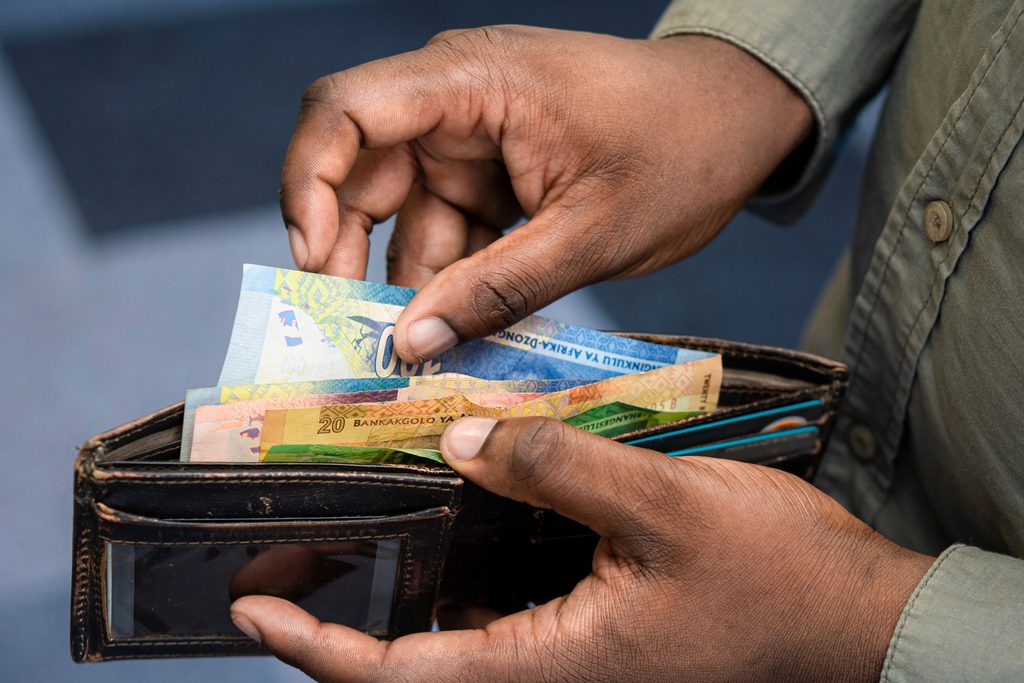
A few quick starting points, depending on who you are:
- “I just got paid — how do I budget this?” Start with Personal Finance and Saving Money.
- Want to understand your credit score? Jump to Credit in South Africa.
- Dealing with debt? Go straight to Managing Debt.
- Confused by your payslip or tax? Head to Tax & SARS.
- Looking for SASSA, SRD or NSFAS info? See Government Financial Support.
- Worried something is a scam? Go to Financial Scams & Fraud.
Quick Navigation
- Personal Finance
- Saving Money
- Banking
- Credit
- Loans
- Debt
- Tax & SARS
- UIF
- Government Financial Support
- Investing
- Retirement
- Insurance
- Financial Scams & Fraud
- Official Institutions Directory
- Finance Terms Explained
- Finance FAQs
Personal Finance
Personal finance is simply how you manage the money coming in and going out of your life. It doesn’t require a big salary — it requires a system. Getting the basics right early makes almost everything else, from saving to credit to investing, considerably easier.

- Managing income — planning around what you actually take home, not your gross salary.
- Managing expenses — knowing exactly where your money goes each month.
- Creating a budget — giving every rand a job before the month begins.
- Setting financial goals — short-term (an emergency fund) and long-term (a deposit, retirement).
- Building an emergency fund — a buffer so unexpected costs don’t force you into debt.
- Needs versus wants — learning to tell the difference so your spending matches your priorities.
None of this requires perfection. A simple budget you actually follow beats a complicated one you abandon after a week.
Read our guide to creating a monthly budget in South Africa, and learn how to manage your money after starting your first job. Future MojaMzansi guides in this category include:
- How to Create a Monthly Budget in South Africa
- How to Manage Your Money After Your First Payday
- Needs vs Wants: A Practical South African Guide
- How to Build an Emergency Fund From Zero
Saving Money
Saving is the foundation almost everything else in personal finance is built on. Without savings, an unexpected expense — a car repair, a medical bill, a retrenchment — often becomes a debt problem instead of a manageable setback.
- Why saving matters, even in small, consistent amounts
- Emergency funds as a first savings priority, before other goals
- Short-term saving for specific goals, like school fees or appliances
- Long-term saving for bigger life goals
- Saving on a low income, with realistic, judgement-free strategies
- Reducing unnecessary expenses without feeling deprived
- Building financial discipline through small, sustainable habits
Learn practical ways to start saving even when money is tight — a topic we’ll cover in detail in future guides.
- How to Start Saving When You Have Little Left Over
- Practical Ways to Cut Monthly Expenses in South Africa
- Short-Term vs Long-Term Savings Goals Explained
- How to Save for School Fees and Back-to-School Costs
Banking
Understanding how banking works helps you avoid unnecessary fees and use the accounts you already have more effectively.
- Savings accounts vs current/transactional accounts — what each is designed for
- Debit cards and how they differ from credit cards
- EFT payments and how electronic transfers work
- ATM fees and how to avoid unnecessary charges
- Bank charges — monthly fees, transaction fees, and how to compare them
- Digital and mobile banking — apps, USSD banking and basic security
- Reading a bank statement — understanding what the line items mean
South Africa’s major retail banks, for reference, include:
Always confirm current fees, accounts and offers directly on the bank’s official website — not through a link or message sent to you unsolicited.
- Savings Account vs Current Account: What’s the Difference?
- How to Avoid Unnecessary Bank Charges in South Africa
- Understanding Your Bank Statement Line by Line
- A Beginner’s Guide to Digital and Mobile Banking
Credit
Credit plays a bigger role in financial life than many people realise — it can affect whether you’re approved for a loan, a phone contract, or even certain jobs.
- What credit is and how it works
- Credit scores — what they are and why they matter
- Credit reports — what’s on them and how to check yours
- Credit bureaus operating in South Africa
- Building a positive credit history over time
- Good debt vs harmful debt — not all borrowing carries equal risk
- Credit cards and using them responsibly
- Missed payments and their long-term impact on your credit profile
South Africa’s registered credit bureaus include:
South African consumers are entitled to one free credit report per year from each registered credit bureau — use the official links above rather than third-party sites that ask for payment upfront.
- What Is a Credit Score and Why Does It Matter?
- How to Check Your Credit Report in South Africa
- How to Build Credit From Zero
- Good Debt vs Bad Debt: What’s the Difference?
- Credit Cards 101: Using Them Without Getting Into Trouble
Loans
Borrowing money is sometimes necessary, but it should always be a considered decision, never a quick fix.
- Personal loans and how they generally work
- Loan repayments — principal, interest and instalments
- Secured vs unsecured loans
- What to check before borrowing — total repayment cost, fees and terms
- Warning signs of predatory lending
- Loan scams and how to recognise them
We don’t recommend specific lenders or loan products on this page. Instead, we focus on what to check — and what to avoid — before you sign anything. Only borrow from credit providers registered with the National Credit Regulator, and verify registration independently before proceeding.
- What to Check Before Taking Out a Personal Loan
- Secured vs Unsecured Loans Explained
- How to Spot a Predatory Lender
- Understanding the True Cost of a Loan
Debt
Debt is one of the most stressful financial topics — and one of the most misunderstood. If it feels overwhelming, you are not alone, and there are structured, legitimate ways to work through it.
- Understanding debt and how it accumulates
- Managing multiple debts at once
- Creating a repayment plan
- How interest affects what you owe over time
- What happens when you miss payments
- Debt counselling — a regulated process for over-indebted consumers
- Warning signs of serious debt problems
Debt counselling in South Africa is regulated under the National Credit Act and administered through registered debt counsellors overseen by the National Credit Regulator. Always confirm that a debt counsellor is registered before signing anything.
- How to Create a Debt Repayment Plan
- What Is Debt Counselling and How Does It Work?
- Signs You May Need Help With Debt
- How to Prioritise Which Debts to Pay First
Tax & SARS
Understanding tax doesn’t need to be complicated. This section breaks down how income tax generally works in South Africa, administered by the South African Revenue Service (SARS).
- PAYE (Pay As You Earn) — tax deducted directly from your salary
- Tax numbers and why you need one
- Tax returns — what they are and who needs to submit one
- Tax deductions — expenses that may reduce taxable income
- Tax rebates — amounts that reduce the tax you owe
- Tax brackets — how income tax is structured in tiers
- Understanding your payslip — gross pay, deductions and net pay
Tax rates, brackets, rebates and thresholds change from year to year. Always confirm the latest figures directly on the official SARS website before relying on them — never on a forwarded screenshot or social media post.
- Understanding Your Payslip: What Every Line Means
- What Is PAYE and How Is It Calculated?
- Do I Need to Submit a Tax Return?
- What Is a Tax Number and How Do I Get One?
UIF (Unemployment Insurance Fund)
UIF is a fund administered by the Department of Employment and Labour that provides short-term financial relief to eligible workers — for example, in cases of unemployment, illness or maternity leave — based on contributions made while employed.
Common questions readers have about UIF include:
- How do UIF contributions work?
- Who is eligible to claim from UIF?
- How do you apply for UIF benefits?
- What documents are typically needed?
- How long does a UIF claim usually take?
Eligibility rules, contribution rates and payment amounts are set and updated by the Department of Employment and Labour. Always verify current requirements directly through labour.gov.za before applying.
- What Is UIF and Who Contributes to It?
- How to Check Your UIF Contribution History
- UIF for Maternity Leave: What to Know
Government Financial Support
MojaMzansi provides general educational information about legitimate government financial assistance available to South Africans. This section is not an application portal — it’s a starting point to help you understand what exists and where to apply officially.
- SASSA grants — administered by the South African Social Security Agency
- SRD Grant (Social Relief of Distress)
- NSFAS — financial aid for higher education, via nsfas.org.za
- UIF — see the section above
Grant amounts, eligibility criteria and application processes change periodically and are set by SASSA, NSFAS and other government departments. Always verify current information through official sources — sassa.gov.za and nsfas.org.za — before applying. Be cautious of unofficial websites or messages claiming to offer grant applications; these are often scams.
- Understanding SASSA Grants: An Overview
- What Is the SRD Grant and How Does It Work?
- How to Check Your SASSA Application Status Safely
- What Is NSFAS and Who Can Apply?
Investing
Investing is different from saving — and understanding that difference is often the first step toward building long-term wealth.
- Saving vs investing — saving protects money; investing aims to grow it, usually with more risk
- Risk and return — higher potential returns generally come with higher risk
- Compound growth — how returns can build on themselves over time
- Diversification — spreading investments to manage risk
- ETFs — exchange-traded funds, a beginner-friendly way to invest in a basket of assets
- Unit trusts — pooled investment funds managed by professionals
- Shares — owning a portion of a company, tradeable on the Johannesburg Stock Exchange (JSE)
- Long-term investing — why time in the market matters
We explain these concepts to help you understand how investing works — we don’t recommend specific products, funds, shares or platforms. Investment decisions should be made with a qualified, licensed financial adviser registered with the Financial Sector Conduct Authority (FSCA).
- Saving vs Investing: What’s the Difference?
- ETFs Explained for Beginners
- Unit Trusts 101: How They Work
- Understanding Risk Before You Start Investing
Retirement
Retirement planning is easy to postpone — but the earlier it starts, the more options it tends to create later, thanks largely to the effect of compound growth over time.
- Pension funds — typically employer-linked retirement savings
- Provident funds — another employer-linked retirement fund, with different rules to a pension fund
- Retirement annuities (RAs) — individual, voluntary retirement savings
- Employer retirement contributions — how employer and employee contributions typically work
- Why starting early can matter for long-term outcomes
- Pension Fund vs Provident Fund: What’s the Difference?
- What Is a Retirement Annuity?
- Why Starting Retirement Savings Early Matters
Insurance
Insurance is about managing risk — protecting yourself and your family from the financial impact of unexpected events.
- Premiums — what you pay to keep cover active
- Excess — what you pay toward a claim
- Claims — the process of requesting a payout
- Life insurance and funeral cover
- Car insurance and household insurance
This section explains general insurance concepts. We don’t endorse or compare specific insurers or products.
- Life Insurance vs Funeral Cover: What’s the Difference?
- Understanding How Insurance Claims Work
Financial Scams & Fraud
Financial scams are a serious and growing risk in South Africa, often targeting people through social media, SMS, WhatsApp and email.
- Fake investment opportunities promising unrealistic, guaranteed returns
- Loan scams, including upfront “fees” for loans that don’t exist
- Fake grant messages impersonating SASSA or other government bodies
- Phishing attempts to steal personal or banking details
- Fake banking messages claiming your account has been compromised
- Ponzi-style schemes that pay early investors using new investors’ money
Practical warning signs: promises of guaranteed or unusually high returns, pressure to act quickly, requests for upfront payment before receiving a loan or grant, unofficial contact links instead of verified channels, and any request for your PIN, OTP or full banking password — legitimate institutions never ask for these.
Always verify suspicious claims directly through official government, bank or regulatory channels — never through a link sent to you unsolicited.
- How to Spot a Fake Investment Scheme
- Common SASSA and Grant Scam Messages to Watch For
- What to Do If You’ve Been Scammed in South Africa
Official Institutions Directory
The organisations below are referenced throughout this page. Always use these official links — not a link forwarded to you — when verifying financial information or applying for anything.
- SARS (South African Revenue Service)
- South African Reserve Bank (SARB)
- National Credit Regulator (NCR)
- Financial Sector Conduct Authority (FSCA)
- South African Social Security Agency (SASSA)
- NSFAS
- Department of Employment and Labour (UIF)
- National Treasury
- Johannesburg Stock Exchange (JSE)
Please double-check each link before publishing — official government and regulator URLs occasionally change.
Finance Terms Explained
A simple glossary to help you understand common financial terms used across this section.
| Term | Simple Explanation |
|---|---|
| Interest | The cost of borrowing money, or the reward for saving/investing it, usually shown as a percentage. |
| Compound interest | Interest calculated on both the original amount and previously earned interest, so growth builds on itself. |
| Credit score | A number reflecting how reliably you’ve managed credit and debt in the past. |
| Credit report | A detailed record of your credit history held by a credit bureau. |
| Principal | The original amount borrowed or invested, before interest is added. |
| Instalment | A regular, scheduled payment made toward a loan or account. |
| Inflation | The general rise in prices over time, which reduces the purchasing power of money. |
| Repo rate | The rate at which the South African Reserve Bank lends to commercial banks, influencing consumer interest rates. |
| Prime lending rate | The base rate banks use as a reference when setting rates for loans and credit. |
| PAYE | Pay As You Earn — income tax deducted directly from an employee’s salary. |
| UIF | Unemployment Insurance Fund — provides short-term relief to eligible workers. |
| Tax rebate | An amount that reduces the total tax you owe. |
| Pension fund | A retirement savings vehicle usually linked to formal employment. |
| Provident fund | Another employer-linked retirement fund, with different withdrawal rules to a pension fund. |
| ETF | Exchange-Traded Fund — tracks a group of assets and can be bought or sold like a share. |
| Unit trust | A pooled investment fund managed by professionals on behalf of many investors. |
| Insurance premium | The amount paid, usually monthly, to keep an insurance policy active. |
| Excess | The portion of an insurance claim that the policyholder pays themselves. |
Frequently Asked Questions
How can I save money every month?
Start by tracking exactly where your money goes for one full month. Once you can see your real spending patterns, you can identify areas to cut back and redirect that money toward a savings goal — even a small, consistent amount builds momentum over time.
How can I budget on a low salary?
Focus your budget on essentials first — housing, transport, food and debt repayments — then allocate whatever is left to savings and discretionary spending. A simple, realistic budget you can stick to beats a strict one you abandon after a week.
How can I improve my credit score?
Paying accounts on time, keeping credit usage low relative to your limits, and avoiding unnecessary new credit applications are generally the most effective long-term habits for building a stronger credit profile.
What is PAYE?
PAYE stands for Pay As You Earn. It’s the system through which employers deduct income tax directly from an employee’s salary and pay it to SARS on their behalf.
What is UIF?
UIF stands for Unemployment Insurance Fund — a fund certain workers and employers contribute to, which can provide short-term financial relief in situations such as unemployment or maternity leave.
What is the repo rate?
The repo rate is the interest rate at which the South African Reserve Bank lends money to commercial banks. Changes in the repo rate typically influence the interest rates banks charge consumers on loans and bonds.
What is the difference between saving and investing?
Saving generally means putting money aside safely for short-term needs, with little or no risk. Investing means putting money into assets — like shares, ETFs or unit trusts — with the goal of growing it over the long term, usually involving some risk.
How can I avoid loan scams?
Be cautious of lenders who ask for upfront fees before granting a loan, guarantee approval regardless of your credit history, or contact you unsolicited. Legitimate lenders are registered with the National Credit Regulator — this can be verified independently.
How can I manage debt?
Start by listing everything you owe, including interest rates and minimum payments. From there, prioritise repayments strategically, avoid taking on new debt where possible, and consider speaking to a registered debt counsellor if your debt feels unmanageable.
Can MojaMzansi help me apply for a SASSA grant or NSFAS funding?
This section provides educational information only. Applications should always be made directly through official government channels, such as sassa.gov.za or nsfas.org.za.
How do I know if a loan or investment offer is legitimate?
Be cautious of offers that guarantee high returns, request upfront fees, or pressure you to act quickly. You can verify registered credit providers through the National Credit Regulator and registered financial services providers through the Financial Sector Conduct Authority.
Does MojaMzansi give personalised financial advice?
No. MojaMzansi provides general educational and informational content about personal finance in South Africa. For advice specific to your situation, please consult a qualified financial adviser, tax practitioner, or the relevant official institution.
What should I do if I think I’ve been targeted by a scam?
Do not click on suspicious links or share personal or banking details. Report the incident to your bank, the institution being impersonated, and, where appropriate, the South African Police Service.
MojaMzansi will keep adding to this hub as new finance guides are published. This page provides general educational and informational content only, and should not be treated as personalised financial, investment, tax or legal advice. Financial figures, rates, eligibility criteria and regulations change over time — always verify time-sensitive information directly with the relevant official institution, such as SARS, SASSA, NSFAS, the South African Reserve Bank or a licensed financial adviser, before making decisions based on it.